I. Technical Background and Overview
Cassava is an important root crop in tropical and subtropical regions, serving as a major source of food and industrial raw materials. However, the traditional single-cropping model has several limitations: the crop requires 8 to 12 months to mature, resulting in a long production cycle; its short stature provides limited ground cover, leaving much of the land, sunlight and water left unused, as shown in Figure 1. As a result, cassava generates only a single type of economic return, leading to slow overall profitability.
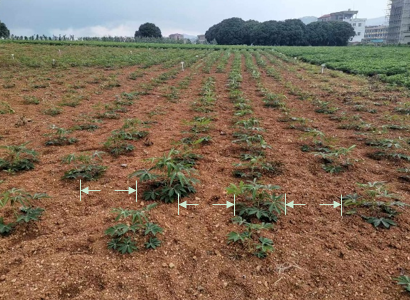
Figure 1. Cassava monoculture with substantial unused land between rows
In the early stage of cassava growth, bare soil is prone to erosion and nutrient loss. It also allows weeds to grow freely, increasing labor and weeding costs as well as ecological risks. Therefore, farmers often take advantage of the open space between cassava rows and the available light and heat during this early period to plant a short-season crop. This intercropping approach enables two crops to be grown on the same land, resulting in two harvests within a single season.
This method improves land-use efficiency, increases yield per unit area and farmers’ income, and enhances the ecological condition of farmland. For these reasons, the intercropping model of cassava with short-season crops has been developed and widely adopted. This paper introduces the intercropping technology of cassava and watermelon. See Figure 2
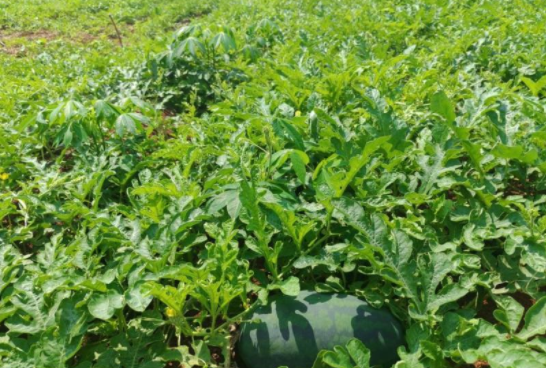
Figure 2. Cassava-watermelon intercropping
II. Implementation Measures and Steps
1. Land preparation
Any area without water logging can be cultivated, but to achieve high yields, the soil must be deeply plowed and sun-dried to a depth of 30-35 cm, followed by ridge formation through plowing and harrowing. The ridges should be 1.8 meters wide (with a ridge-to-ridge spacing of 1.8 meters and a ridge surface width of approximately 1.2 meters), and drainage ditches should be arranged at intervals of 15-30 meters. During land preparation, ensure the soil is deep, loose, fine, fragmented, and level. See Figure 3 and Figure 4.
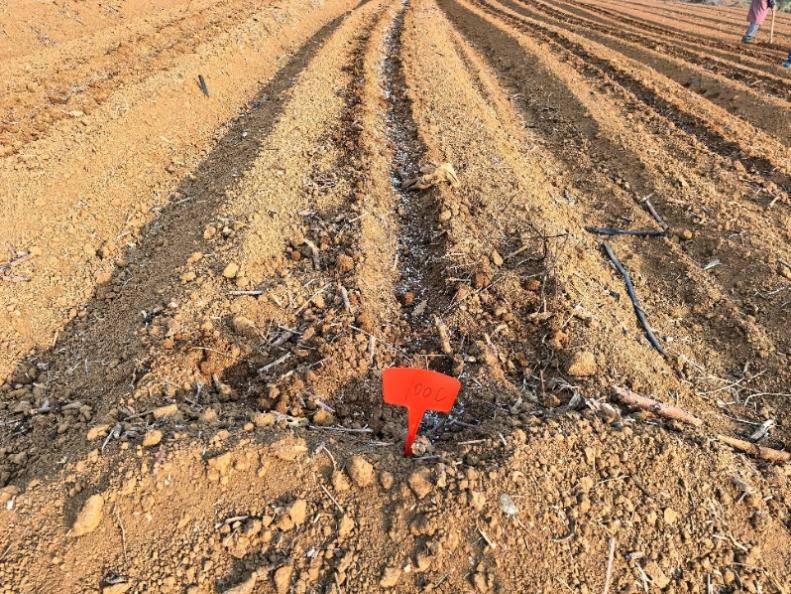
Figure 3. Ridge plowing, turning over the soil
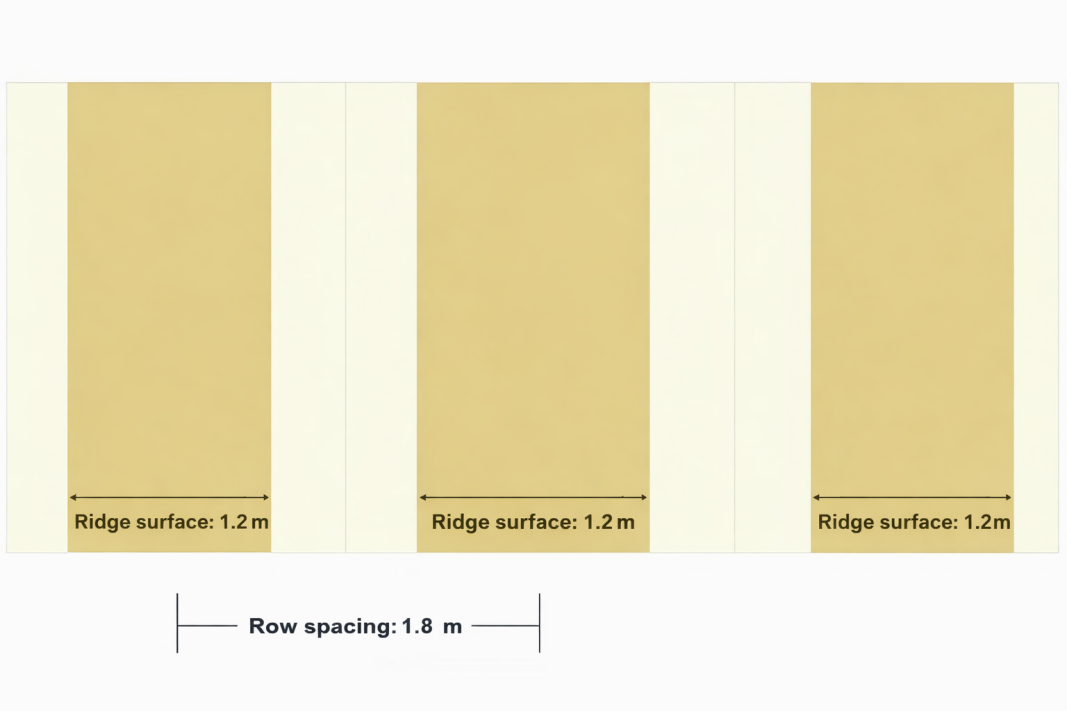
Figure 4. Ridge layout and row spacing
2. Selection and Treatment of Cassava Stems
Select stems that are fully mature, thick with dense nodes, fresh and firm, with intact bud points, free from withering, and free from pests or diseases for use as planting material. The seed stems should be 12 to 18 cm in length and have 4 to 5 bud points, as shown in Figure 5. After cutting the seed stems, soak them for 10 minutes in a solution of 20% acetamiprid at 2000 times dilution, 8% ningnanmycin at 1000 times dilution and 5% abamectin at 3000 times dilution, then dry them and set aside.
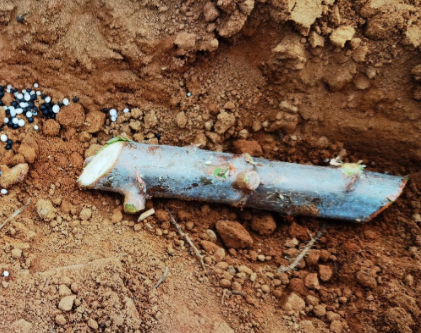
Figure 5. Planting stem
3. Planting Method
Watermelons are planted on ridges at an appropriate time according to the local climatic conditions, with a row spacing of 3.6 m and a plant spacing of 1.3 m, resulting in a planting density of 2,130 plants per hectare. One month after watermelon transplanting, cassava is intercropped between the watermelon rows. The cassava planting pattern adopts a wide-narrow row configuration, with a row spacing of 1.2 m for wide rows and 0.6 m for narrow rows, a plant spacing of 1.2 m, and a planting density of 8,550 plants per hectare. During planting, cassava stems are placed flat and covered with a thin layer of soil to promote sprouting and growth. During mechanized harvesting, the wide rows (1.2 m) provide sufficient space for machinery movement, allowing the two rows of cassava on each ridge to be harvested and excavated efficiently. See Figure 6 and Figure 7.
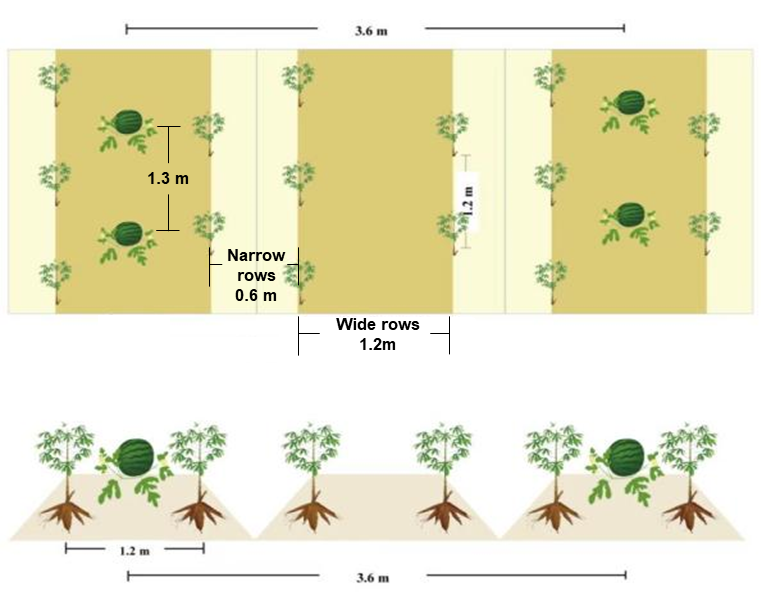
Figure 6. Planting layout for intercropping and relay cropping of watermelon and cassava
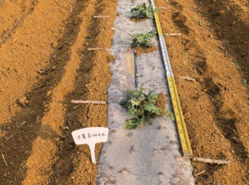
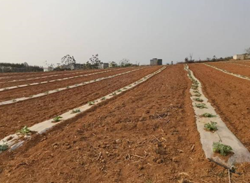
Figure 7. Initial planting layout of watermelon-cassava intercropping
4. Weeding
Pre-emergence weed control (10-12 days after watermelon planting): Apply 2500 mL of 72% metolachlor per hectare at 10-12 days after planting. Dilute the herbicide 200-fold with water and spray it evenly on the soil surface.
Seedling-stage weed control (watermelon seedling stage): Apply 2500 mL of 41% glyphosate aqueous solution per hectare, dilute 200 -fold with water, and spray directly onto the weed leaves. See Figure 8.
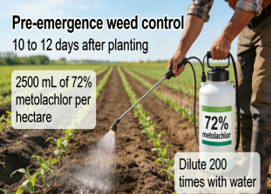
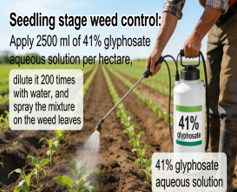
Figure 8. Herbicides applied at different stages of planting
Note: The two weeding methods introduced here apply only to 10-12 days after watermelon planting and the watermelon seedling stage. No further weeding is required after cassava is planted.
5. Field management
Before planting watermelons, apply 750 kg of compound fertilizer and 300 kg of calcium-magnesium-phosphorus fertilizer per hectare as the basal fertilizer. This basal fertilizer is sufficient for both the watermelons and the intercropped cassava, so no additional basal fertilizer is required when cassava is planted one month later.
When cassava reaches 60-80 cm in height (about 4-5 months after planting), apply 300 kg of potassium sulfate per hectare as the tuber-forming fertilizer. This application is only for cassava. By this time, the watermelons have already been harvested, so the two fertilization stages do not overlap or interfere with each other. See Figure 9.
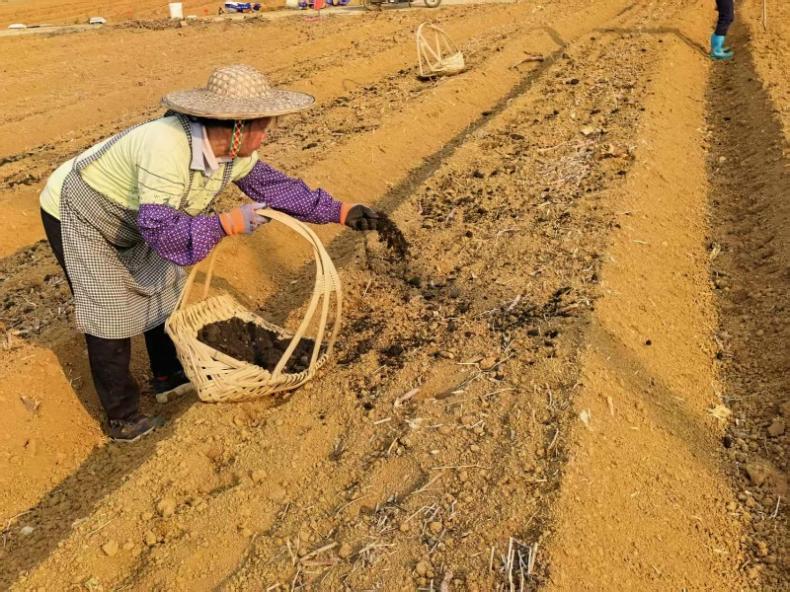
Figure.9 Fertilization before planting watermelons
6. Harvest time
Watermelons require 65–85 days from transplanting to harvest, with the duration varying according to cultivar characteristics and local climatic conditions. Cassava takes 8–10 months from transplanting to harvest. It should be noted that when watermelons are harvested, cassava is still at the seedling stage (35–55 days after transplanting) and the plants are fragile. Therefore, the following precautions should be taken:
• Use sharp tools to cut the pedicels during watermelon harvest to avoid pulling the vines and causing lodging, which may damage the roots or stems of adjacent cassava seedlings.
• Remove watermelon residues, fallen leaves and unripe fruits from the field promptly to reduce pests and diseases breeding and avoid adverse effects on cassava seedling growth.
III. Applicability
1. Temperature and Water Requirements
(1) Temperature: The frost-free period exceeds 8 months, and the annual average temperature is above 18°C.
(2) Water: Cassava is drought-tolerant but not tolerant to waterlogging, whereas watermelon is drought-sensitive and requires adequate water.
IV. Risks and Benefits
1. Economic Benefits
The average output value is USD 5,247 per hectare for cassava, USD 6,792 per hectare for watermelon, and USD 12,039 per hectare for the cassava-watermelon intercropping system. These economic benefit estimates are based on market prices in China and are provided for reference only. Actual values may vary depending on local market prices in the current year.
2. Risks and Emergency Measures
(1) Major risks: Crop prices are highly volatile due to market fluctuations, and unsold crops may significantly reduce revenue. Extreme weather events—such as seasonal droughts and heavy rainfall — can also lead to substantial yield losses.
(2) Emergency measures: Sign contract farming agreements to secure sales channels for agricultural products.
Conclusion
Cassava-watermelon intercropping technology effectively addresses the limitations of traditional cassava monocropping, including low resource utilization efficiency, slow economic returns and ecological risks caused by prolonged bare soil. By taking advantage of the complementary growth cycles of the two crops, the system fully utilizes idle land, sunlight and heat during cassava’s early growth stage. Through standardized agronomic practices—such as scientific land preparation, seed stem treatment, rational planting density, targeted weeding and fertilization, and mechanization-adapted wide-narrow row configuration— the system achieves "two crops on one plot, dual harvests in one season."
Suited for regions such as Guiping city, Guangxi, China (frost-free period >8 months; annual average temperature >18°C), the technology delivers remarkable economic benefits. The combined output value reaches 12,039 USD per hectare, surpassing the total value of cassava and watermelon grown separately. Ecologically, the system reduces soil erosion and suppresses weed growth, thereby improving the farmland ecosystem stability. Although risks such as market price fluctuations and extreme weather events exist, they can be mitigated through contract farming and well-developed irrigation and drainage infrastructure. The successful large-scale application in Guiping city demonstrates its practicability. As a sustainable and scalable innovation, this intercropping model enhances land-use efficiency and increases farmers’ income, providing a valuable reference for optimizing crop planting structures in tropical and subtropical cassava-growing regions.

Category
Technical Solution
Contributor
Cassava and Watermelon Intercropping Technology
Country
Technical Solution