I. Technical Background and Overview
Traditional cassava monoculture faces problems such as low land resource utilization, waste of light and heat resources, and decline in biodiversity, which lead to limited economic benefits and the risk of soil degradation. However, the cassava-maize strip intercropping technology system can improve this situation by constructing a planting system with ecological niche complementarity. Cassava is planted with wide row spacing, slow initial growth, and a long period before canopy closure, which creates well-ventilated and well-lit inter-row spaces that are favorable for maize growth. The intercropping pattern not only improves the soil micro-ecological environment, but also effectively increases the multiple cropping index of land and the economic benefit per unit land area. It enables the efficient use of light, temperature, water, heat and fertilizer resources, thereby alleviating the continuous cropping obstacles associated with monoculture. Therefore, cassava-maize strip intercropping offers significant ecological and economic benefits and provides an effective solution for sustainable agricultural development.
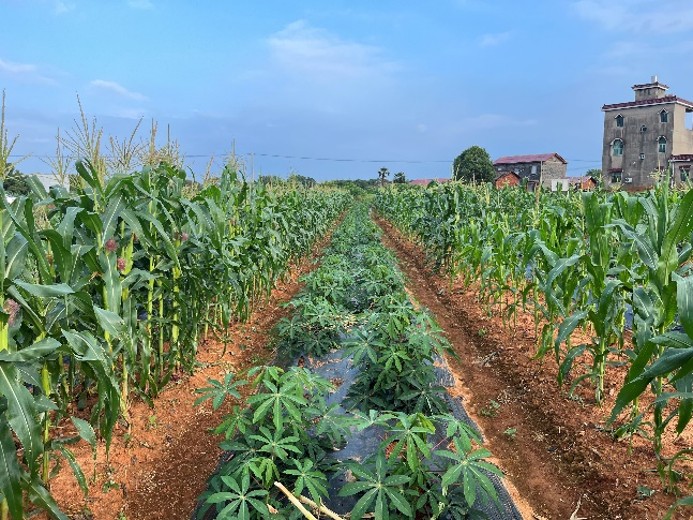
Figure 1. Demonstration field of intercropped cassava and maize
II. Implementation Measures and Steps
1. Preparation Stage
(1) Site Selection and Land Preparation: Select gentle sloping areas or flat fields with deep soil layers and good drainage. Before planting, carry out deep plowing to a depth of 25-30 cm, followed by harrowing the soil to achieve a fine tilth. Apply adequate basal fertilizer during land preparation, including about 30 tons of well-decomposed farmyard manure and 600-750 kg of compound fertilizer per hectare. Form large ridges mechanically or manually, with a ridge surface width of about 1.4 m and a ridge furrow width of about 0.6 m and a ridge height of about 0.3 m.
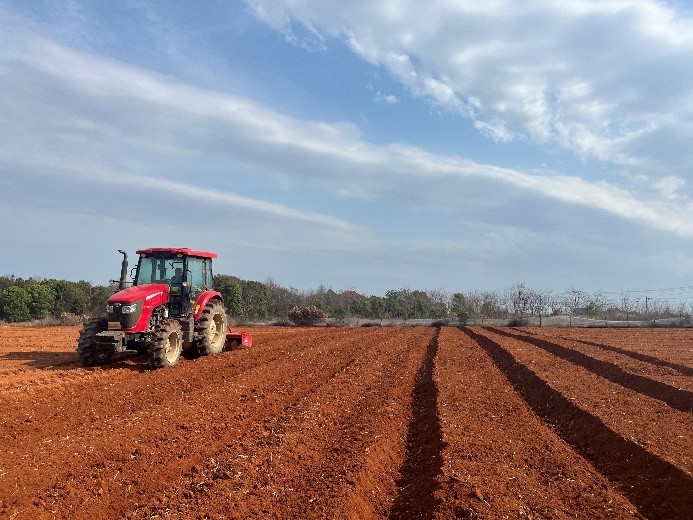
Figure 2. Mechanical Land Preparation
(2) Variety selection: Select high-yielding cassava varieties with compact plant architecture, and choose disease-resistant, high-yielding maize varieties well adapted to local conditions.
2. Operation Process
(1) Planting schedule: Jiangxi Province, China, is located in the subtropical zone and has a humid monsoon climate characterized by distinct four seasons, abundant rainfall and sufficient sunlight. The annual average temperature is approximately 19.3 °C, the annual average precipitation is 1567.7 mm, and the average frost-free period is 272 days. Temperature rise rapidly from March to April, providing suitable temperature and light conditions for the establishment of spring-sown crops. Cassava is typically planted in Jiangxi Province from late March to early April, while maize is sown from early to mid-April. As planting dates may vary among different regions, the sowing schedule for cassava and maize should be adjusted according to local conditions.
(2) Field configuration: Adopt the strip intercropping pattern. Plant 2 rows of cassava on one ridge, with an in-ridge row spacing 0.8-1.0 m and a plant spacing of 0.6-0.8 m. On the adjacent ridge, plant 3 rows of maize, with an in-ridge row spacing of 0.4 m and a hill spacing of 0.2 m, sowing 2-3 seeds per hill. Cassava and maize ridges are arranged alternately.
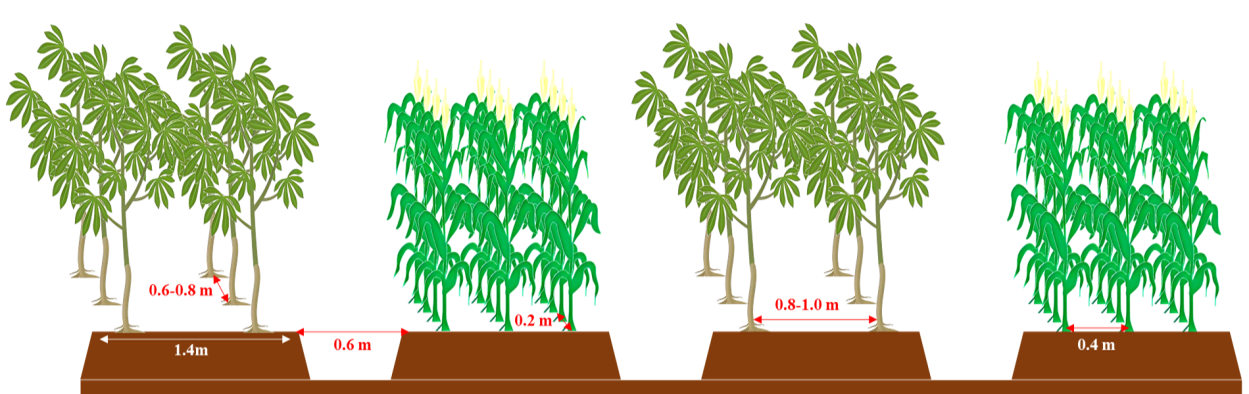
Figure 3. Schematic Diagram of Cassava-Maize Strip Intercropping System
(3) Field management: Before planting cassava, cover the cassava planting ridge surface with plastic mulch approximately 2.0 m width, and firmly secure the mulch edges with soil to prevent displacement by wind. Mulching can effectively suppress field weed growth. At the seedling stage, thin the plants by removing weak seedlings and retaining 1-2 healthy seedlings per planting position. During the late growth stage, remove excessive lateral branches from the main stem, while retaining the apical bifurcated branches. In contrast, maize ridges are cultivated without plastic mulch and require pre-emergence herbicide application, along with appropriate pest and disease control, topdressing, and growth regulation, retaining only 1-2 ears per maize plant.
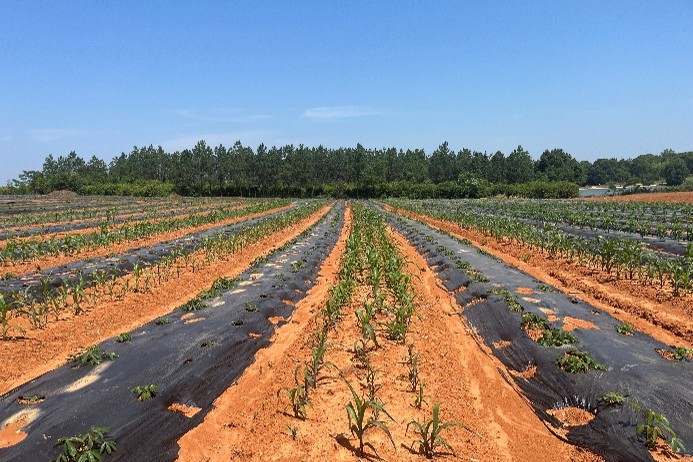
Figure 4. Intercropped Cassava and Maize
(4) Crop Harvesting: In Jiangxi Province, maize is harvested in August, while cassava is harvested in late November. Harvest periods for both crops vary across different regions.
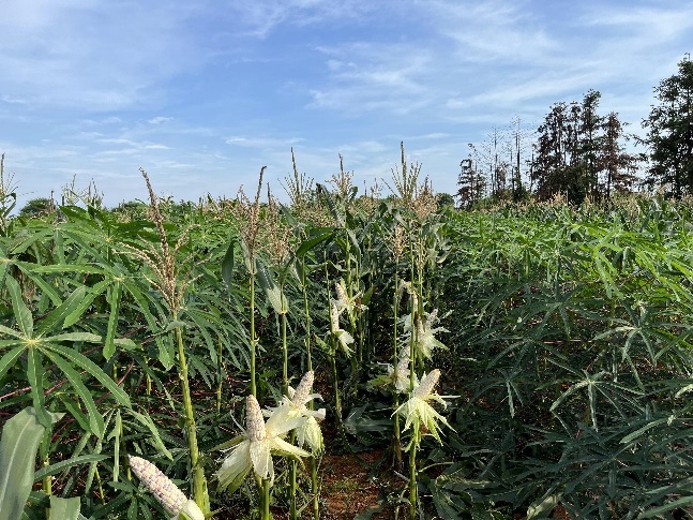
Figure 5. Intercropped cassava and maize at harvest
III. Applicability Conditions
1. Applicable Region
This cassava-maize intercropping pattern is mainly suitable for Jiangxi Province in China (24°29′ N~30°04′ N、113°34′ E~118°28′ E) and other regions at similar latitude (Latitude below 30°) and may also serve as a reference for areas where cassava and maize cultivation is appropriate.
2. Climatic and Environmental Requirements
(1) Temperature: The cassava-maize intercropping pattern requires a frost-free period longer than 8 months and an annual mean temperature above 18℃. Temperature provides the fundamental climatic conditions for the system. Sufficient heat allows both crops to complete their full growth cycles and achieve stable yields, and it also underpins proper rotational succession in strip-intercropping systems.
(2) Water: Cassava is drought-tolerant but sensitive to waterlogging, whereas maize is not drought-resistant. Cassava, a woody root crop with a long growth period and a deep root system, can withstand dry conditions but is prone to root rot under waterlogging. Maize, a gramineous crop with a relatively short growth period, is sensitive to drought, and water deficits can significantly reduce its yield; it is also vulnerable to waterlogging damage. Therefore, water management must be carefully coordinated in cassava-maize intercropping systems.
IV. Economic Benefits and Risks
1. Production Costs and Economic Benefits
(1) Cultivation costs: The total production cost—including land rent, compound fertilizer, tillage and ridging, maize seeds, plastic mulch and labor—is approximately USD 4,425 per hectare.
(2) Yield and production value: The expected yield of fresh maize ears is about 30,000 ears per hectare, and fresh cassava yield is about 30,000 kg per hectare, resulting in an estimated production value of USD7,500 per hectare.
2. Risks and Emergency Measures
(1) Major risks: Crop prices are highly volatile due to market fluctuations, and unsold products may substantially reduce revenue. Extreme weather events—such as seasonal droughts and heavy rainfall—also pose significant threats to yield stability.
(2) Preventive measures: Establish agricultural order agreements to secure stable marketing. Install supporting irrigation facilities to mitigate drought impact and ensure timely drainage through appropriate drainage systems to reduce waterlogging risks.
V. Conclusion
In summary, the cassava-maize intercropping pattern is a simple and practical planting approach that generates notable economic gains. Compared with sole cassava cropping, this practice makes efficient use of land, light and water resources, enabling the harvest of two crops from the same field and substantially increasing overall income. Its implementation is not complicated: farmers only need suitable land and quality seeds, sow crops at appropriate spacing during the right season, apply basic field management, and then harvest maize at maturity, followed by cassava at the end of its growing cycle.
This pattern is well suited to warm-climate regions with frost-free periods longer than 8 months, annual mean temperatures above 18℃, and soil with good drainage. Although risks such as market price fluctuations or yield losses caused by drought or heavy rainfall may occur, these can be effectively mitigated by securing sales contracts in advance and establishing simple irrigation and drainage facilities.
Field experience has demonstrated that this intercropping system is highly feasible in practice. It is indeed a promising approach for farmers seeking to improve dryland productivity and increase their income. By generating more value from the same land without complex techniques or high investment, it offers practical pathway for improving livelihoods through farming.

Category
Cassava-maize Strip Intercropping Pattern
Contributor
Cassava-maize Strip Intercropping Pattern
Country
Technical Solution